Law & Neutrality
Neutral on Paper
India is buying Russian crude, partnering Israel and the United States, and asking Iran for safe passage at once. Strategic autonomy is elegant until somebody runs a naval blockade.
Connectivity, energy and law across Eurasia
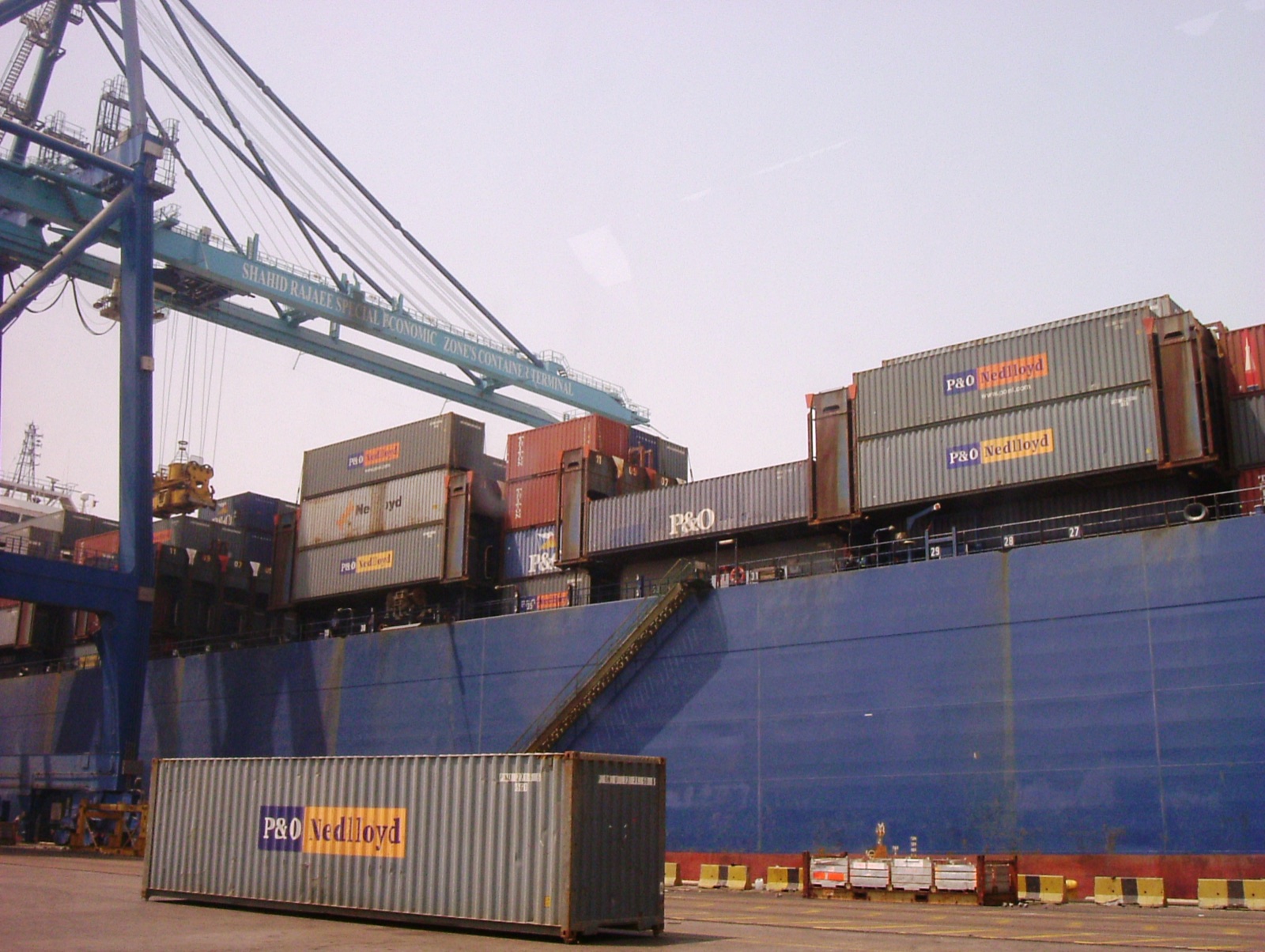
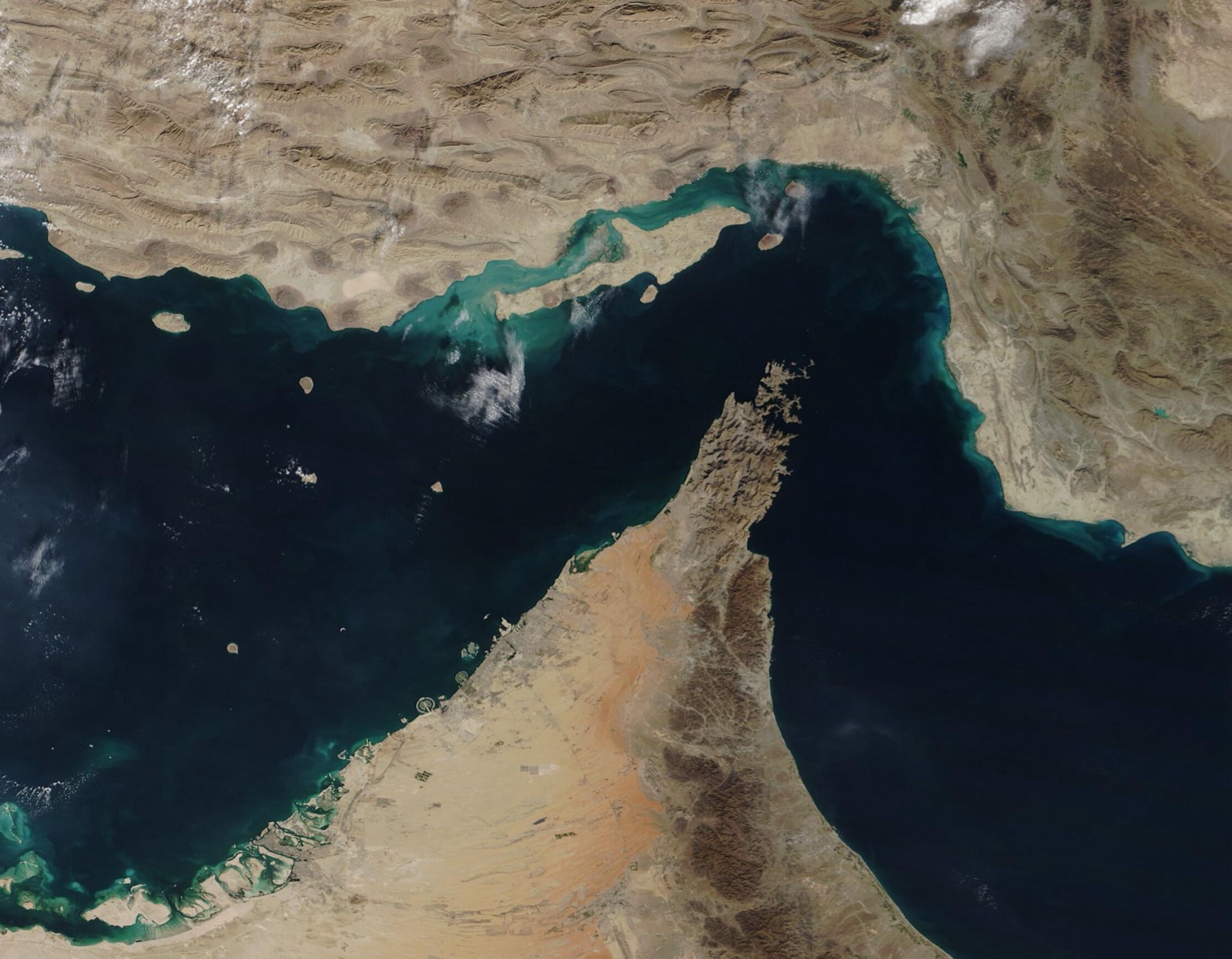
India spent twenty-five years constructing an overland route to Central Asia that carefully avoided Pakistan. The one country it could not avoid was Iran. The 2026 war has turned that into the most expensive design decision in recent Indian foreign policy.
India is buying Russian crude, partnering Israel and the United States, and asking Iran for safe passage at once. Strategic autonomy is elegant until somebody runs a naval blockade.
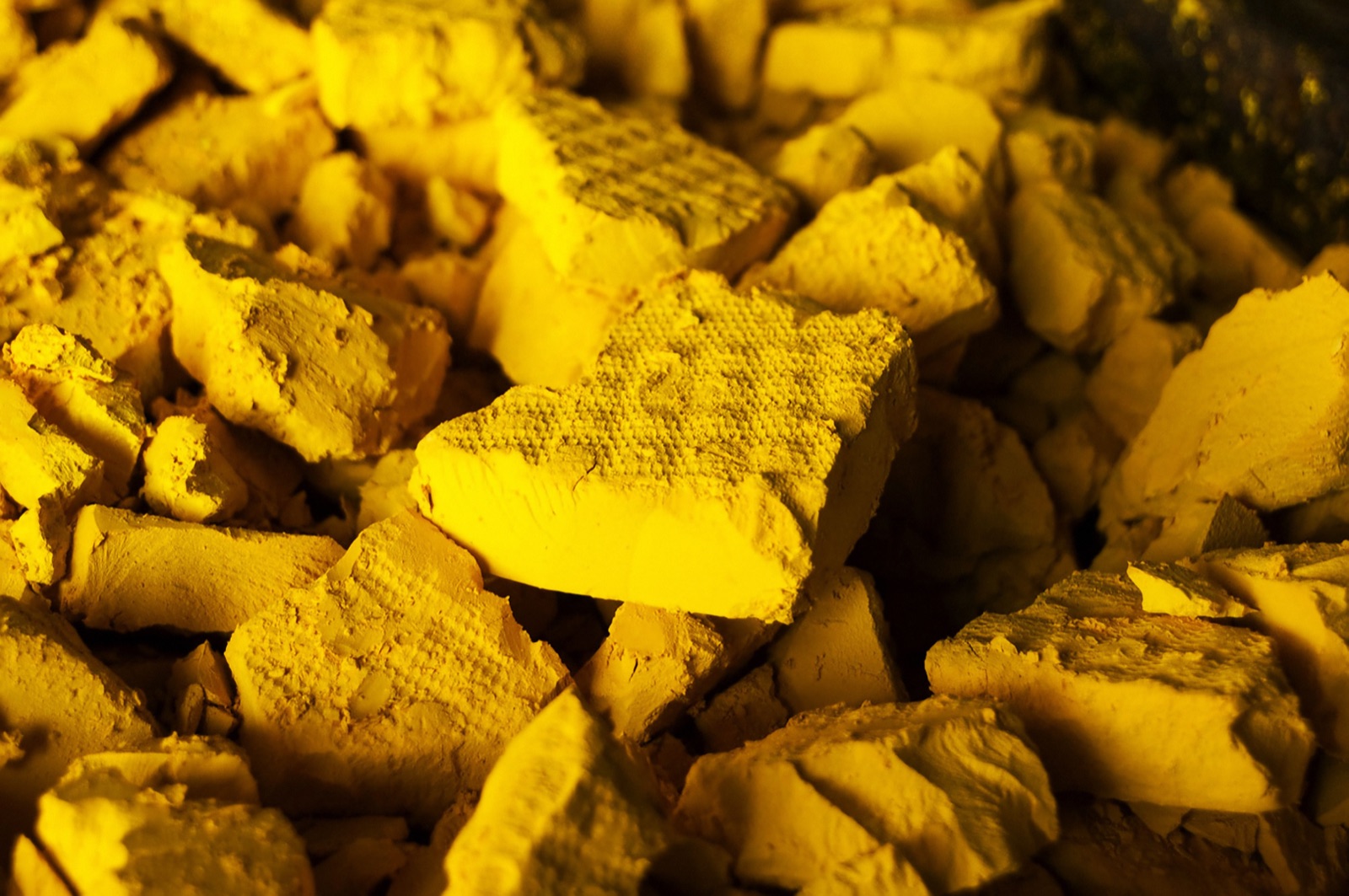
Kazakhstan is the world's largest uranium producer and India is a customer. But the fuel leaves through Russian hands — even the atom has a Moscow valve.
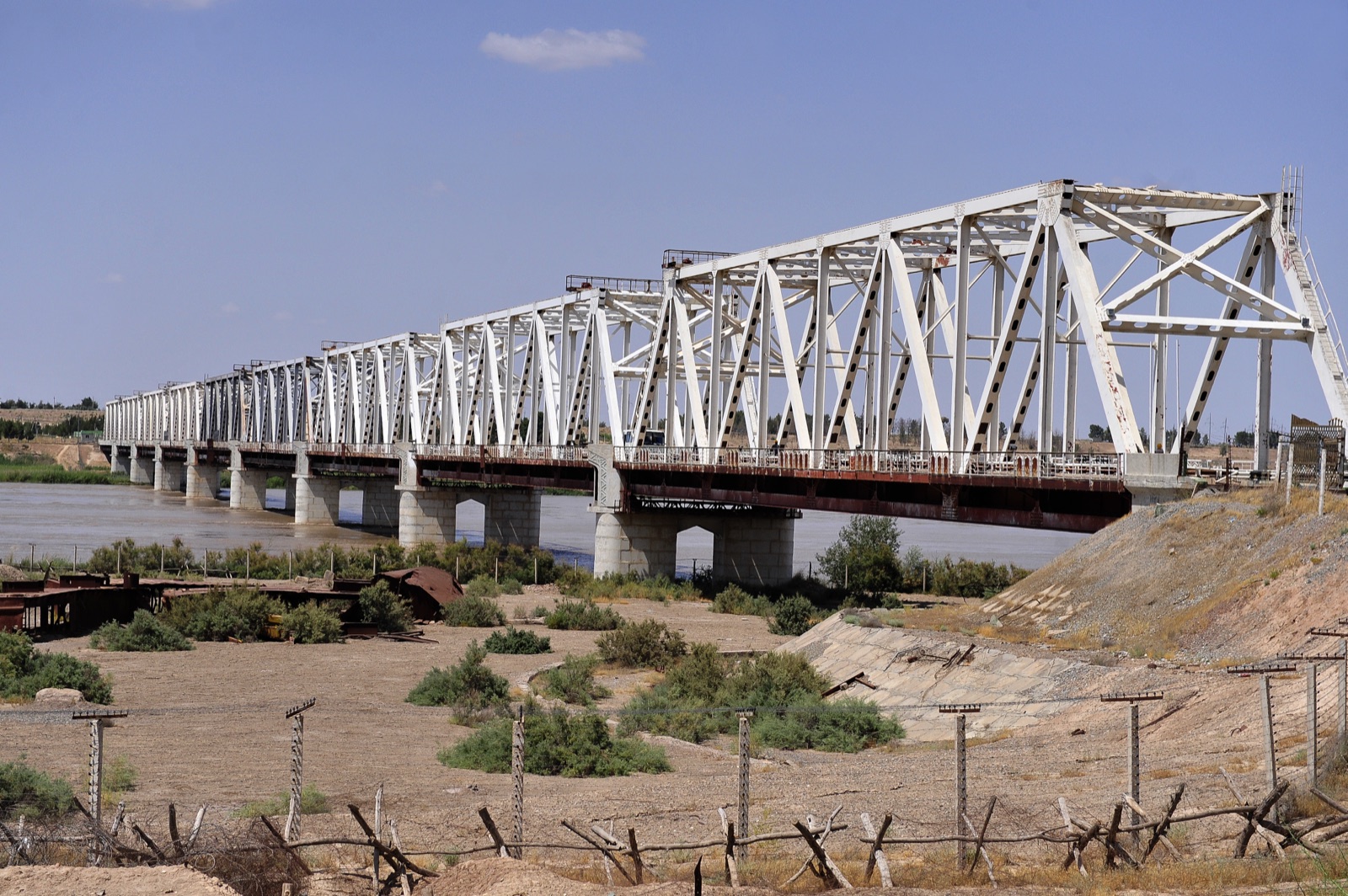
Every corridor India has tried to build to Central Asia runs past Afghanistan — the one neighbour it can neither go through safely nor around cheaply.
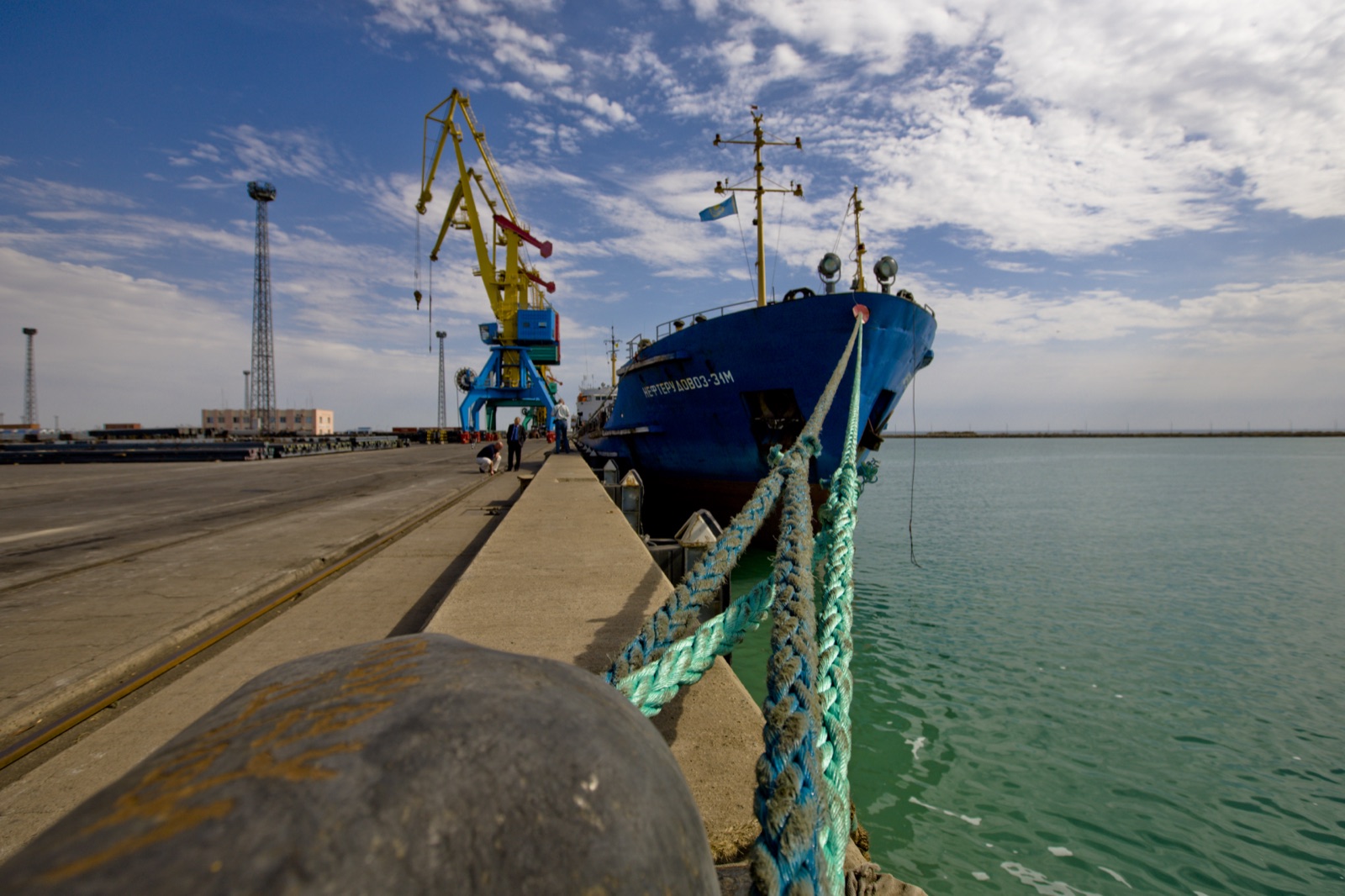
The Iran route is at war, the Russia route is sanctioned, and the only clean path left runs east to west. India needs north to south. That mismatch is the whole problem.
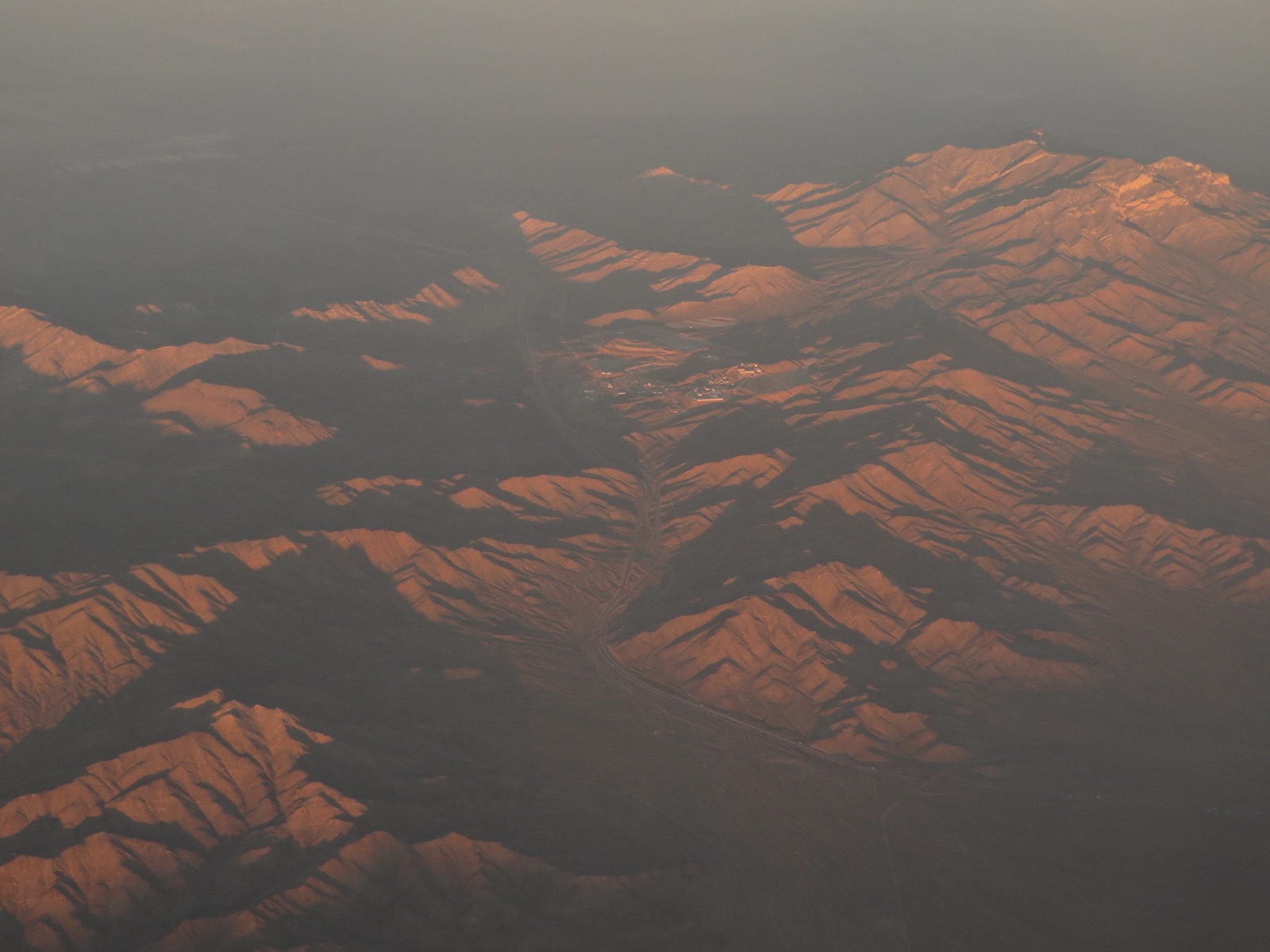
Central Asia is full of the minerals the modern economy runs on. But owning a mineral and controlling it are different things — and the difference is China.