The Rare-Earth Scramble
Everyone has noticed that Central Asia is full of the minerals the modern economy runs on. Fewer have noticed that having the minerals and controlling them are different things.
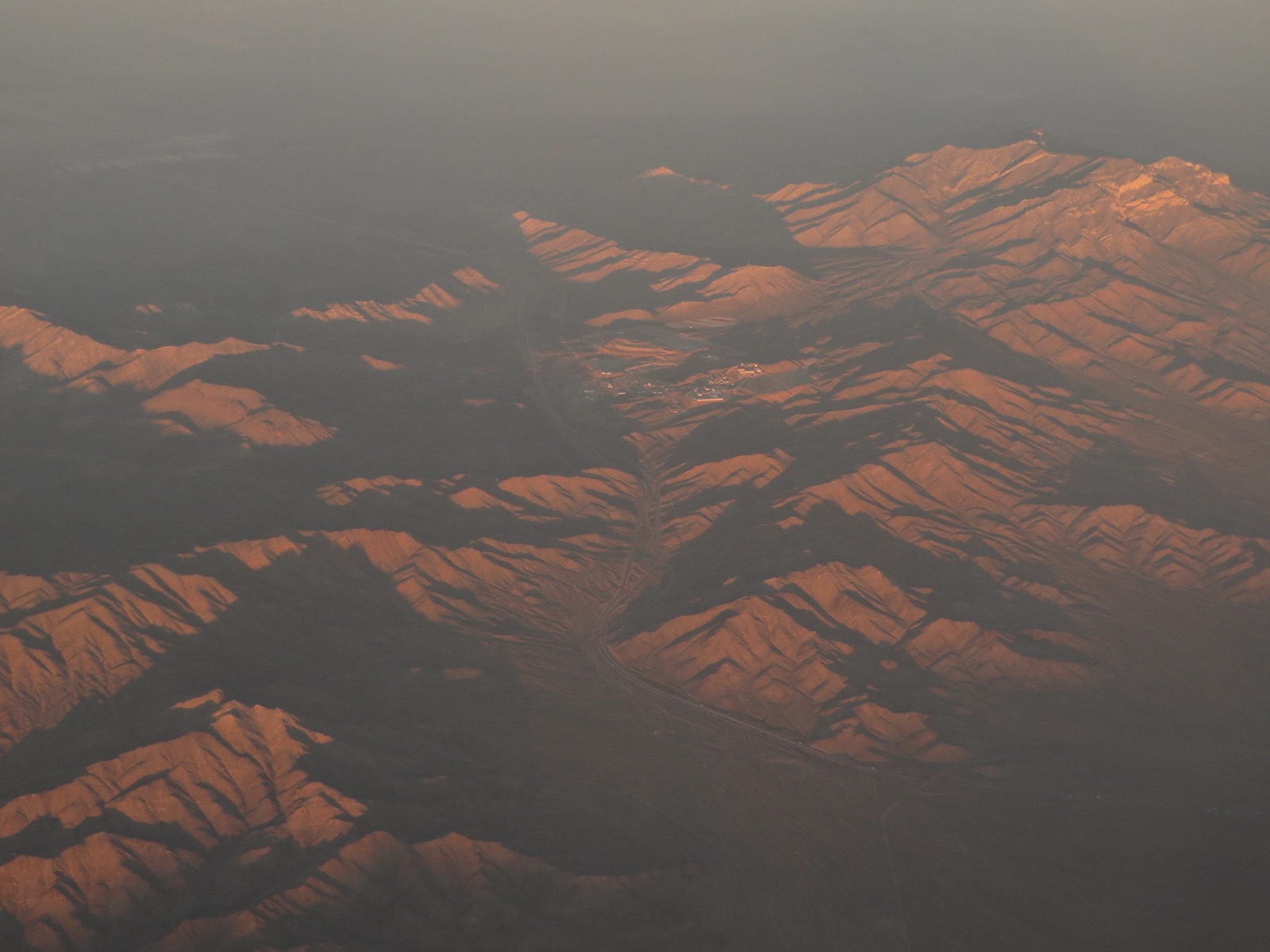
The most contested commodity in Central Asia is no longer oil or gas; it is the set of unglamorous metals (rare earths, lithium, the rest of the critical-minerals list) that go into batteries, magnets, missiles and microchips. Kazakhstan alone is estimated to sit on some 5,000 mineral deposits, including more than a hundred rare-earth sites of which only a fraction have been properly explored, and by one Kazakh estimate the value runs into the tens of trillions of dollars. Every serious power has worked this out. The United States has convened a C5+1 critical-minerals dialogue with the five Central Asian states; the European Union has built minerals into its Global Gateway; and India, which held its first India–Central Asia Rare Earth Forum in 2024 and sent its foreign minister to meet his Uzbek counterpart at a critical-minerals meeting in Washington in early 2026, is circling the same prize.
Here is the catch that the deposit figures hide. Owning a mineral in the ground is not the same as being able to use it, and the gap between the two is filled almost entirely by China. China controls something like 60 percent of the world's rare-earth mining and close to 85 percent of the processing (the chemically nasty, capital-heavy step that turns ore into something a factory can use), and most of Central Asia's minerals currently flow to China for exactly that step. A country can sit on a hundred rare-earth deposits and still depend on Beijing to make them into anything. That is the dependence the United States, Europe and India all say they want to break, and it is the dependence that Central Asia, for now, deepens rather than relieves.
For India there is a second catch on top of the first, and it is the catch that runs through this entire issue: the route. Critical minerals are heavy, they move by the container-load, and you cannot air-freight a supply chain for them and pretend the corridor is optional. To get Central Asian minerals to India at any useful scale you need an overland or sea route that works, and India's routes, as the war has shown, run through an Iran that is closed and a Russia that is sanctioned. The minerals India wants most are sitting behind the geography India can least afford.
This is like winning the right to draw water from a well on the far side of a flooded field. The grant is genuine, the water is real, and you still go home thirsty, because the thing that was ever scarce was not the water but the way across. Everyone in this contest is bidding for deposits. The deposits were never the constraint.
What makes the scramble so lopsided is that China is the one player for whom the route is not a problem. Roughly 80 percent of Chinese exports to Europe already cross Kazakhstan; the rail and road links that carry them run the right way for Beijing and the wrong way for almost everyone else; and a 25 percent American tariff on Kazakh goods in 2025 did more to push Astana toward China than any Chinese inducement could have managed. So while Washington, Brussels and Delhi sign memoranda about diversifying away from China, the physical reality on the ground (who can actually move a tonne of processed rare earth from a Kazakh mine to a working factory) keeps pointing east.
I am not saying India should give up on Central Asian minerals, because the strategic case for breaking China's grip is real and the alternative is permanent dependence. But it does not make a lot of sense to fight the contest at the level of deposits and forums while quietly losing it at the level of processing and routes, which is where it is actually being decided. India has understood that the minerals matter. It has not yet behaved as though the road to them matters just as much. The scramble for Central Asia's minerals will not be won by whoever signs the most agreements. It will be won by whoever can get the minerals out.